Post-operative recovery protocol
Anal fistula surgery and fistulotomy recovery: week-by-week guide
Most hospital discharge sheets give you three paragraphs and send you home. This guide walks through what healing after a fistulotomy, seton placement, LIFT, or advancement flap feels like week by week: surviving your first bowel movement, handling drainage without skin burn, and spotting warning signs early.
How long does anal fistula surgery recovery take?
Direct answer: Most patients return to light desk work within 1 to 2 weeks after a simple fistulotomy or draining seton placement, while complete open-wound closure takes 4 to 8 weeks (and up to 10 to 12 weeks for deeper tracts). Expect light drainage, mild aching after bowel movements, and slow weekly progress rather than overnight relief.
Your pace depends on the exact procedure your colorectal surgeon performed. A simple fistulotomy lays the tract open so it heals from the bottom up (secondary intention), which means visible drainage for weeks. A draining seton leaves a soft silicone loop in place to keep the tract open and stop an abscess from rebuilding. Sphincter-sparing surgeries like LIFT or an endorectal advancement flap rely on internal stitches, so avoiding constipation and straining matters most.
Days 1 to 3: numbness fading and first bowel movement
Rest and soften- When local anesthetic wears off (12 to 24 hours): Stay ahead of pain with the non-constipating schedule your surgeon gave you (often alternating acetaminophen/paracetamol and NSAIDs if cleared). Be careful with opioids. They cause hard constipation that makes Day 3 much worse.
- Packing removal: If your surgeon placed removable packing, follow their timing. Soaking in a warm plain-water sitz bath first makes removal far gentler.
- Normal early signs: Blood-tinged spotting on gauze, mild stinging after urinating, and guarded, slow walking.
Weeks 1 to 2: peak drainage and daily routine
Hygiene and pacing- Drainage gets busier before it slows: Yellowish-pink fluid often increases around Days 5 to 10 as the wound cleans itself and granulation tissue forms. If your pain is trending down, this is usually normal.
- Post-BM throbbing: A dull ache for 20 to 60 minutes after a bowel movement is common because the internal sphincter spasms. A 10 to 15 minute warm sitz bath right afterward relaxes the muscle.
- Movement: Short 5 to 10 minute walks around the house help blood flow. Skip heavy lifting, squats, cycling, and long stretches on hard chairs.
Weeks 3 to 8: granulation, itching, and gradual closure
Rebuilding normalcy- Healing itch: Mild itching around Weeks 3 to 5 often means new skin edges are closing. Raw, persistent burning usually points to moisture irritation from drainage instead.
- Occasional spotting: A small pink streak after a firmer stool can happen because fresh granulation tissue is fragile. Keep stools soft even after the pain fades.
- Follow-up check: Go to your 4 to 6 week surgical review so your surgeon can check that the wound is filling in from the base up without early skin bridging.
How do you survive bowel movements after fistula surgery?
Direct answer: Aim for soft, formed, toothpaste-consistency stools (Bristol Stool Type 4), avoiding both hard pellets and watery diarrhea. Pair gradual soluble fiber (psyllium husk) with steady water intake, any surgeon-approved osmotic softener (such as Macrogol/MiraLAX), a 35° toilet footstool, and immediate warm-water rinsing instead of wiping.
- Start softening stools before surgery (or on Day 1): Ask your surgeon or pharmacist about pairing soluble fiber with an osmotic softener (polyethylene glycol / Macrogol). Skip harsh stimulant laxatives unless prescribed, since acidic diarrhea burns open wounds.
- Do not strain or hover: Rest your feet on a 7-inch toilet footstool so your knees sit above your hips. That angle straightens the rectum and relaxes the puborectalis muscle, letting stool pass with minimal pushing.
- Skip dry toilet paper: Fill an upside-down peri bottle or portable bidet with warm water before you sit down. Rinse gently, then take a 10-minute warm sitz bath to calm sphincter spasm.
- Dry without rubbing: Pat lightly with a clean dedicated towel or use a hair dryer on the cool setting held 8 to 10 inches away.
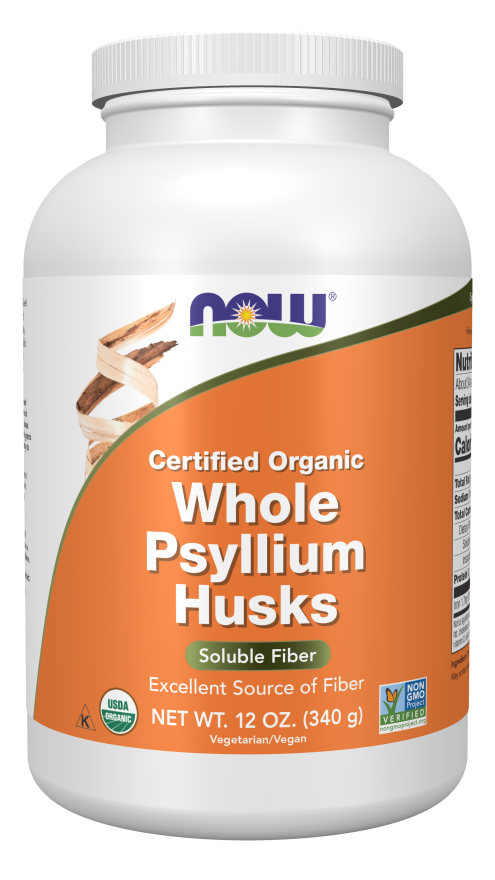
NOW Foods Organic Whole Psyllium Husks
Why it works for perianal recovery
- Gentle soluble fiber bulks and softens stool to protect healing surgical wounds and reduce internal sphincter spasm.
- Single-ingredient organic whole husk avoids artificial sweeteners and dyes found in many pharmacy drink mixes.
NOW Foods Organic Whole Psyllium Husks
Ships globally via iHerb; also widely stocked on Amazon US.
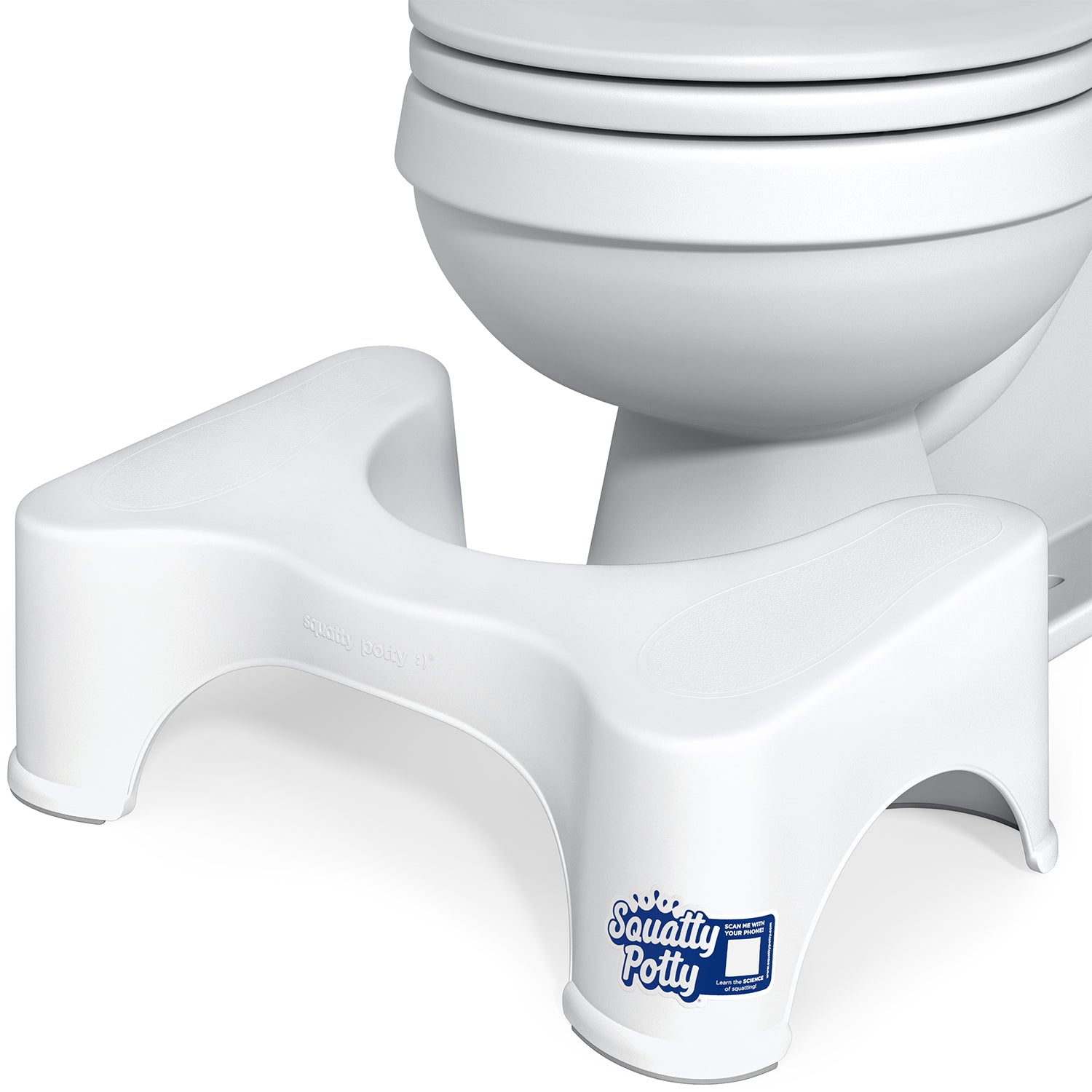
Squatty Potty Original 7" Toilet Stool
Why it works for perianal recovery
- Lifts your knees to a ~35 degree squatting angle so stool passes with minimal pushing after fistulotomy, LIFT, or seton placement.
- Tucks cleanly around standard toilet bases with zero moving parts to break.
Squatty Potty Original 7" Toilet Stool
How should you manage post-op drainage and gauze without skin rash?
Direct answer: Fold a 4×4 inch (10×10 cm) 4-ply non-woven gauze pad in half and tuck it gently between your buttocks so it catches drainage without painful tape. Swap the pad every 3 to 4 hours (or whenever damp) so fluid never sits against intact skin.
- Why non-woven gauze matters: Standard woven cotton gauze sheds lint into open wounds and sticks to drying fluid. Non-woven rayon/polyester sponges stay soft and lift off cleanly.
- Protecting irritated skin: Alkaline drainage can turn surrounding skin raw within 48 hours. Once your surgeon clears it, apply a thin coat of zinc oxide barrier ointment (Calmoseptine in the US/CA; Sudocrem, Bepanthen, or 3M Cavilon in the UK/EU/AU/NZ) to intact surrounding skin only. Never pack ointment inside an open surgical cavity. See our full drainage gauze and regional barrier cream guide.
- Wear dark, loose cotton: Tight synthetic underwear traps heat and sweat, which invites chafing and yeast irritation.
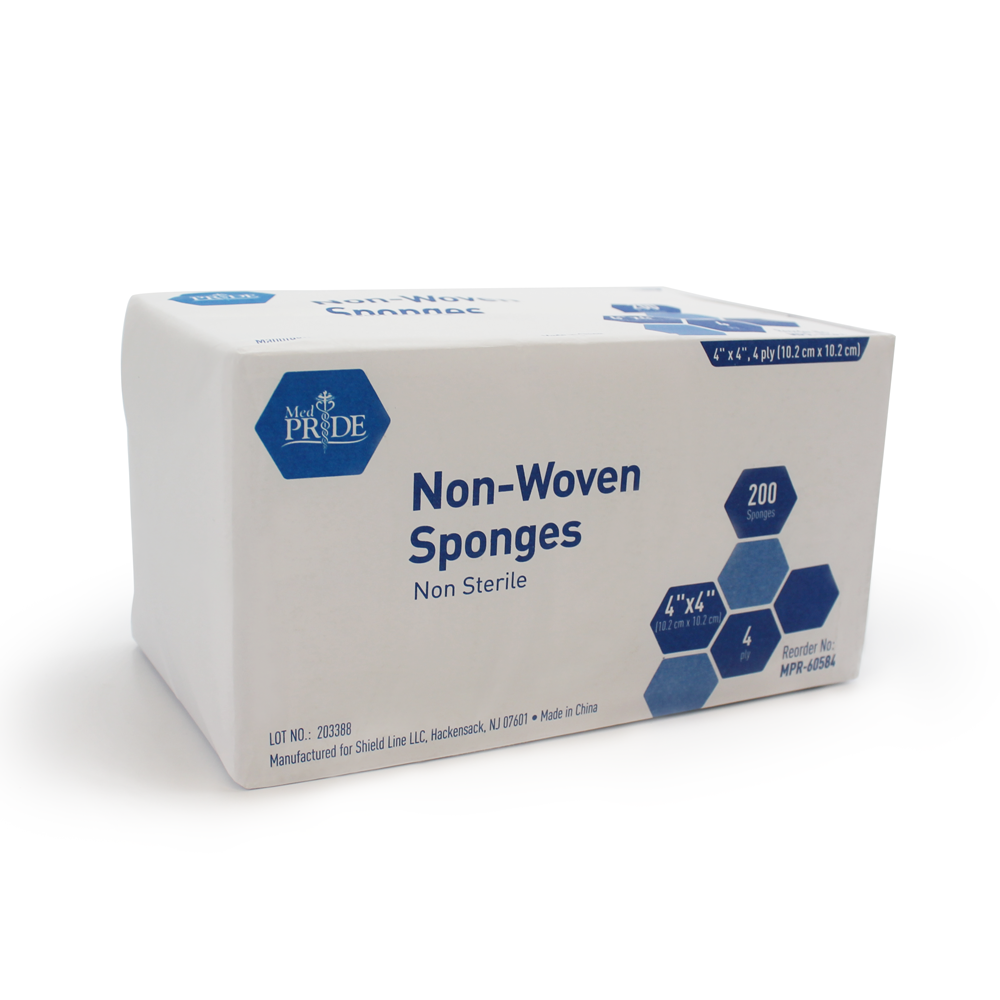
Medpride 4x4 Non-Woven Gauze Sponges (200-Pack)
Why it works for perianal recovery
- Soft rayon/polyester 4-ply non-woven blend stays virtually lint-free and resists sticking to drying exudate.
- Fold in half and tuck gently between the buttocks ("tuck method"), often staying secure with zero painful adhesive tape.
Medpride 4x4" Non-Woven Gauze Sponges (200-Pack)
How to sit, drive, and sleep after anal fistula surgery
Direct answer: For the first 1 to 2 weeks, spend most of your rest time lying on your side with a pillow between your knees instead of sitting upright. When you must sit for meals, short desk blocks, or the ride home, use an air-cell medical waffle cushion or contoured coccyx cushion, and leave firm ring-shaped donut pillows alone.
- The "donut pillow" trap: Firm ring pillows leave perianal tissue hanging into a center hole, pooling blood and increasing post-op swelling. Read our full breakdown in best cushions for anal fistula: donut vs. coccyx vs. waffle.
- The car ride home: Recline the passenger seat as far back as safely possible and shift weight onto one hip with a soft waffle cushion underneath.
- Returning to desk work: Rotate 20 minutes standing, 20 minutes reclining or sitting on a pressure-relief cushion, and brief walks. A laptop stand or standing desk converter helps bridge Weeks 2 to 4.
When should you call your surgeon right away?
Step 1 • Daily comfort
Build your post-op survival kit
Stop guessing what to order at 2 AM. Use our stage-by-stage checklist to gather the cushions, sitz baths, peri bottles, and non-woven gauze stocked in your region (US, UK, AU/NZ, or EU).
Step 2 • Recurrent or complex fistula?
Dealing with repeat surgeries or failed healing?
If this is your second or third operation, or you are living long-term with a draining seton, read why fistulas recur and review the published clinical data on sphincter-sparing Ayurvedic medicated seton therapy (Kshara Sutra).
Frequently asked questions about anal fistula surgery recovery
How long does anal fistula surgery take to heal completely? +
Most simple fistulotomy wounds take 4 to 8 weeks to close from the base upward, though deeper tracts can take 8 to 12 weeks. LIFT and advancement flap repairs often feel better externally sooner, while a draining seton stays in place until your surgeon plans a second stage.
Is yellow or pinkish drainage normal weeks after fistulotomy? +
Yes. Light pink, watery, or pale yellow serous drainage is normal while an open perianal wound fills in with granulation tissue. A sudden surge of thick, foul-smelling pus paired with throbbing pain, spreading redness, or fever is not normal and calls for an urgent message to your surgeon.
How do I sit after anal fistula surgery without worsening pain? +
In the first 7 to 10 days, keep upright sitting brief and alternate between side-lying, reclining, and short walks. When you must sit or ride in a car, use an inflatable medical waffle cushion or a contoured coccyx cushion instead of a firm ring donut pillow, which can trap swelling.
When should I worry that my fistula is coming back? +
If the outer skin closes early and a tender, throbbing lump forms underneath, or if steady drainage continues past 10 to 12 weeks without shrinking, book a review with your colorectal surgeon. Early skin bridging or a missed secondary tract can cause recurrence.
Should I wipe with toilet paper after fistula surgery? +
No. Dry toilet paper drags across fragile tissue and catches on seton knots. Rinse with plain warm water using an upside-down peri bottle, portable bidet, or handheld shower, then pat dry with a clean cloth or use a hair dryer on the cool setting.
Free printable: post-op home recovery and surgeon question checklist
Print our 1-page post-op tracker covering sitz bath timing, stool-softening notes, red-flag thresholds, and follow-up questions for your surgeon.
Zero-PHI Privacy Promise: We only ask for your email address, never medical records, diagnoses, or scans. Discreet subject lines, no spam, unsubscribe in 1 click. See our Privacy Policy.
Clinical references and patient guidelines
- American Society of Colon and Rectal Surgeons (ASCRS). Abscess and Fistula Expanded Patient Information .
- NHS (UK). Anal Fistula: Treatment and Post-Operative Recovery Guidance .
- Shukla NK, Narang R, Nair NG, Radhakrishna S, Satyavati GV. Multicentric randomized controlled clinical trial of Kshaarasootra (Ayurvedic medicated thread) in the management of fistula-in-ano. Indian J Med Res. 1991;94:177-185. PMID: 1937599 .